Henri Cartier-Bresson Decisive Moment
About
Decisive Moment
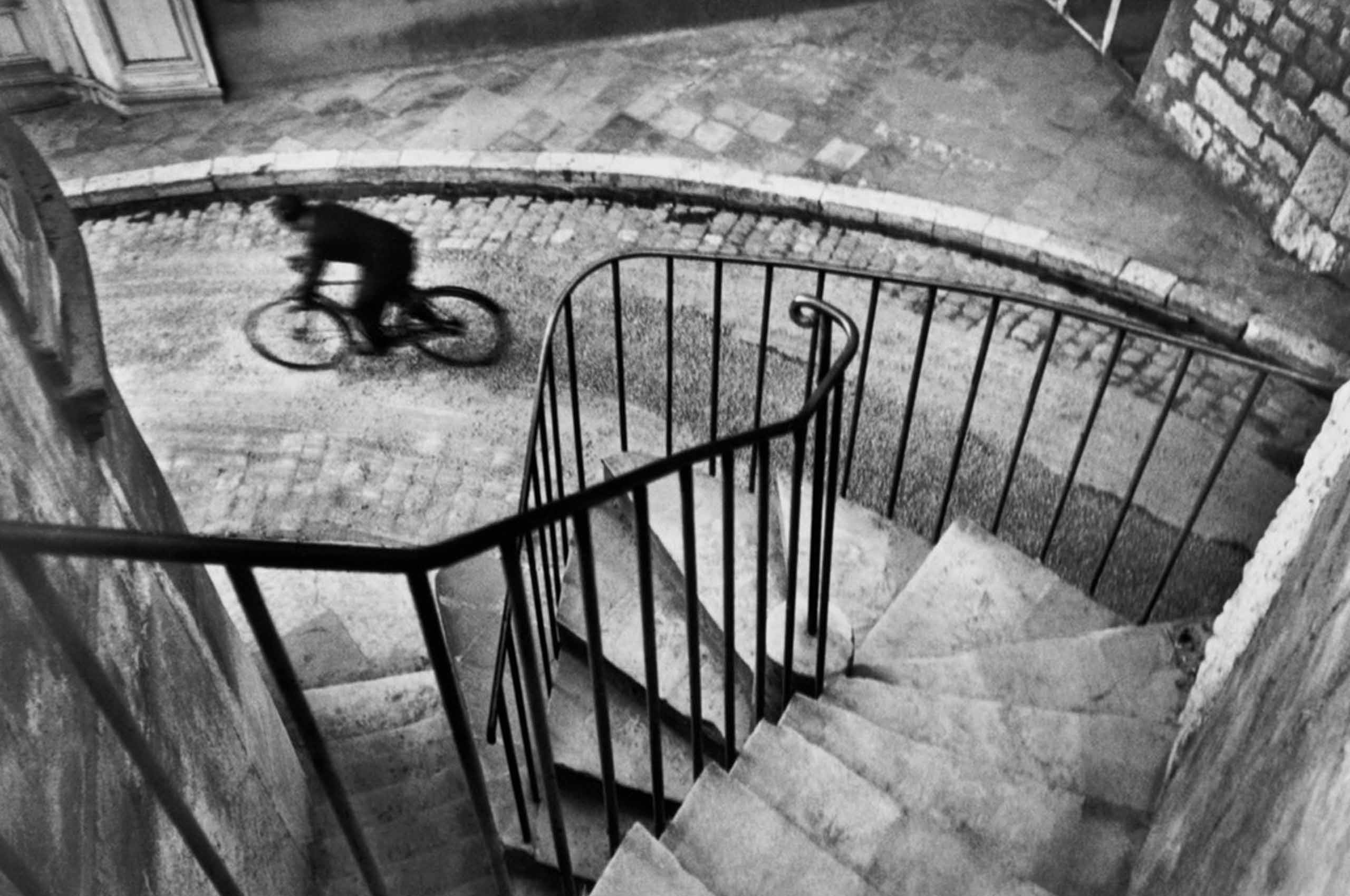
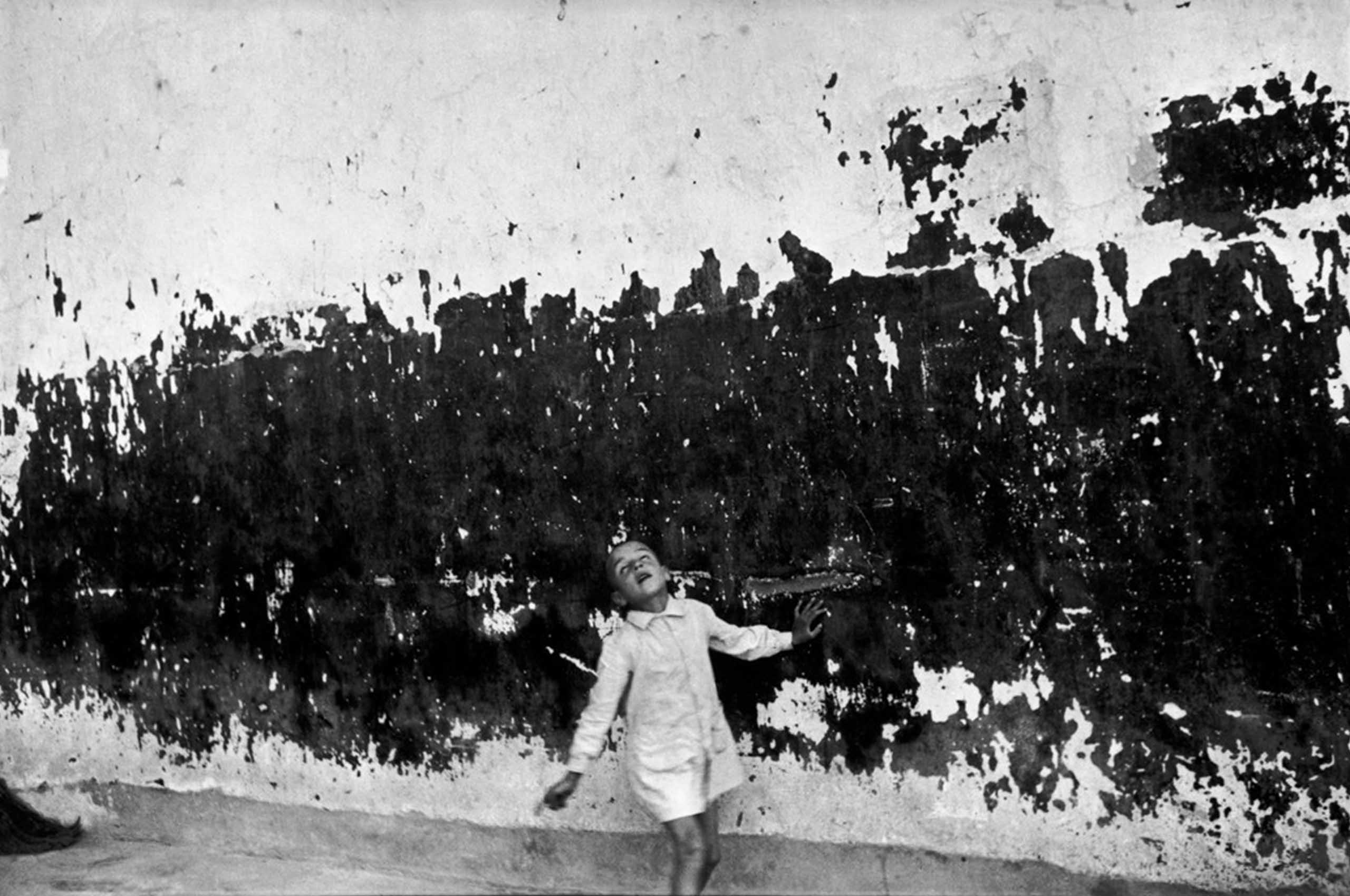
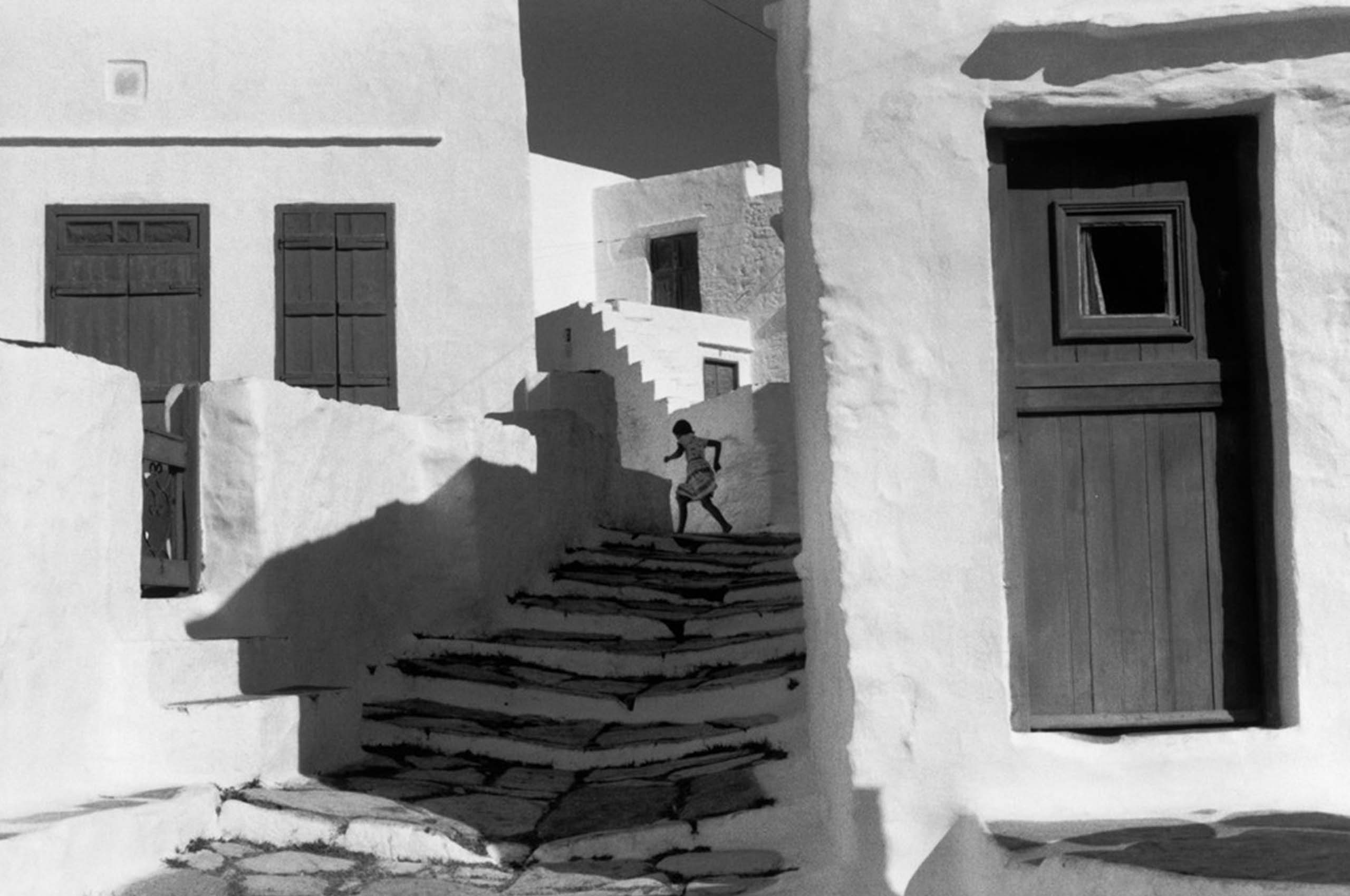
Henri Cartier-Bresson viewed photography as capturing a decisive moment; being able to capture a moment shows a different perspective of people’s behavior rather than it being staged or people being aware of being photographed.
Technique
Henre Cartier-Bresson believed in composing his photographs in the viewfinder, not in the darkroom. That all edits should be done when the image was made. He showcased this belief by having nearly all his photographs printed only at full-frame and completely free of any cropping or other darkroom manipulation. His concept of the “decisive moment,” on which photographers must snap their shutters at the exact right time to achieve the ideal shot. He also started a tradition of testing new camera lenses by taking photographs of ducks in urban parks.
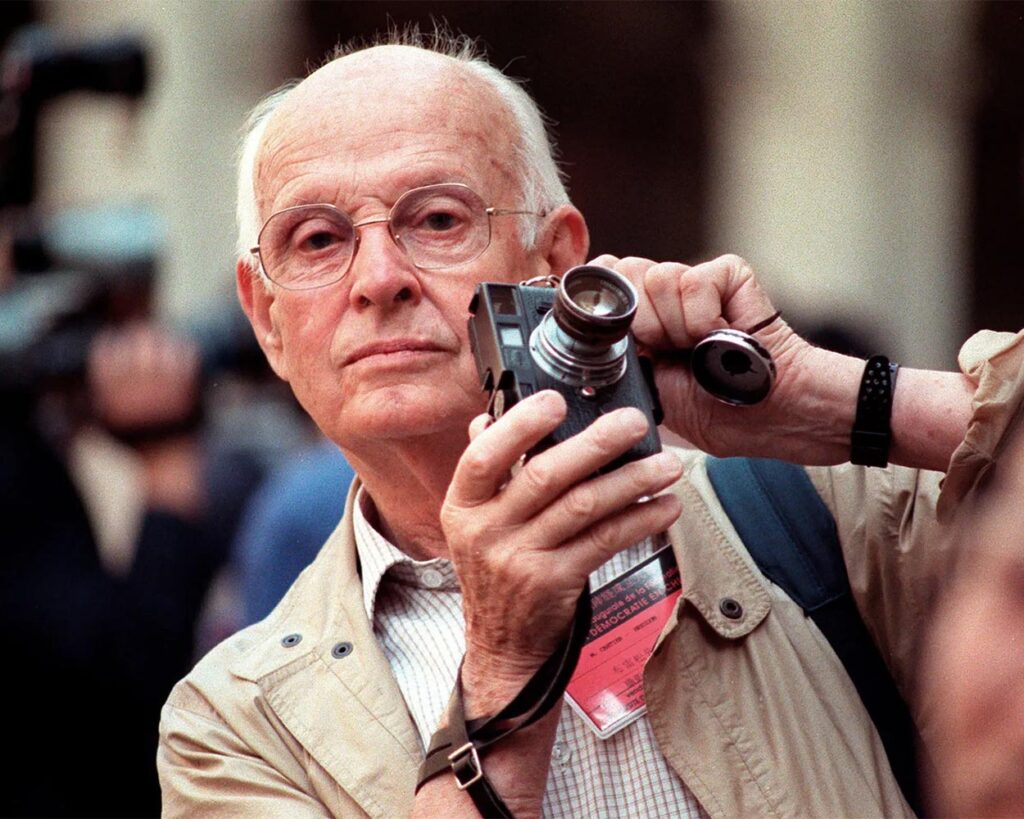
When taking pictures Cartier-Bresson wished to remain silent and anonymous; and even unseen. He would even go to cover the bright parts of his camera to make it look less visible and sometimes hid the camera under a handkerchief. When it came to his work and the way he did it, he kept to himself. He loved to travel, and he took his time wherever he was and became immersed in the environment.
Equipment
He acquired a Leica Camera with 50mm lens that accompanied him for many years. The anonymity the small camera gave him in a crowd; he was able to capture moments of people who were unaware of being photographed. He enhanced his anonymity by painting all shiny parts of the Leica Camera with black paint. Almost always used a Leica 35mm rangefinder with a normal 50mm lens, or occasionally a wide angles for landscapes. He never photographed with a flash, a practice he considered as ‘impolite.’
Cartier-Bresson’s Work
“To take a photograph is to align the head, the eye and the heart. It’s a way of life.”
Henri Cartier-Bresson